
Coppicing is one of the most fascinating traditional land-management practices.
By cutting deciduous trees back to the stump every few years, new shoots grow rapidly, creating dense shrubby habitats that support wildlife while producing useful materials.
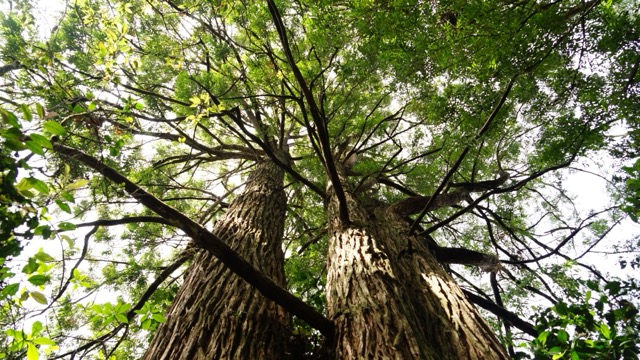
These coppice landscapes exist in a unique middle ground between forest and meadow, providing both sunlight and shelter.
They also offer homeowners an attractive alternative to turf grass. Many people want open, sunny landscapes but struggle with maintaining lawns or wildflower meadows.
Coppiced landscapes provide a beautiful, low-maintenance ecological option that supports biodiversity while maintaining a park-like feeling.
At Nagog Hill Orchard, coppice fields will serve as demonstration landscapes showing how this ancient technique can be adapted for modern land stewardship.