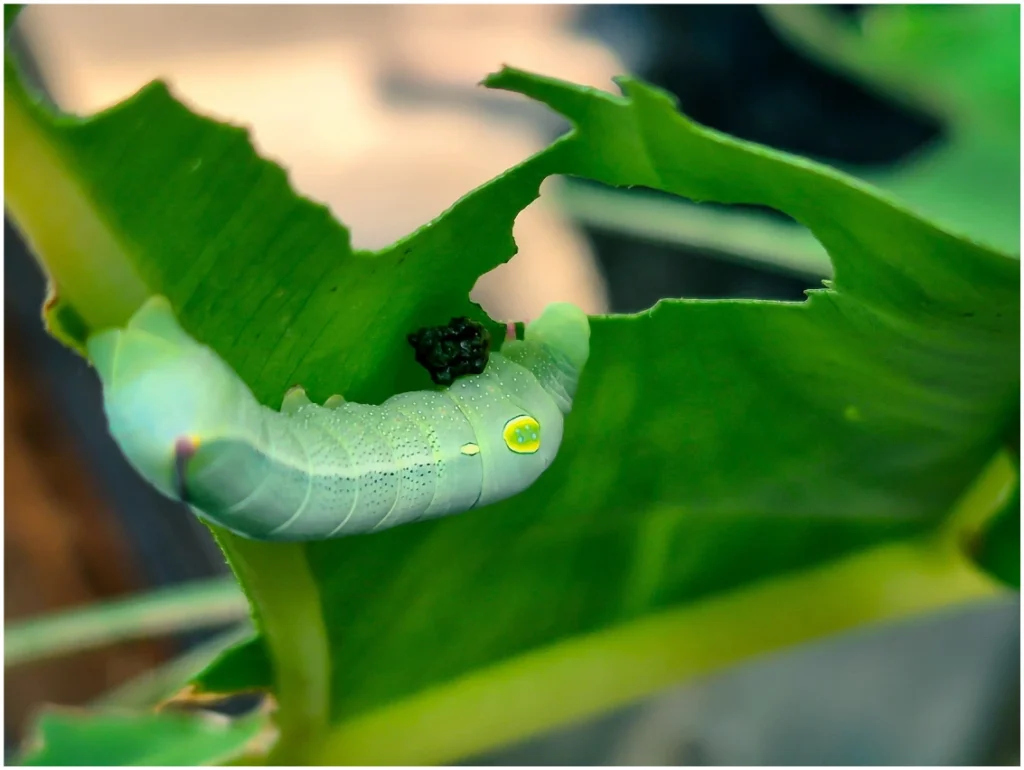
Studies by Douglas Tallamy and others demonstrate how non-native plants can function as “ecological traps,” luring insects to lay eggs on unsuitable hosts where survival is unlikely. Non-native trees act as “dead ends” for native insects, especially caterpillars and other herbivores that rely on specific chemical cues from co-evolved native plants.
Many insects cannot complete their life cycles on these unfamiliar hosts, and eggs or larvae frequently die before
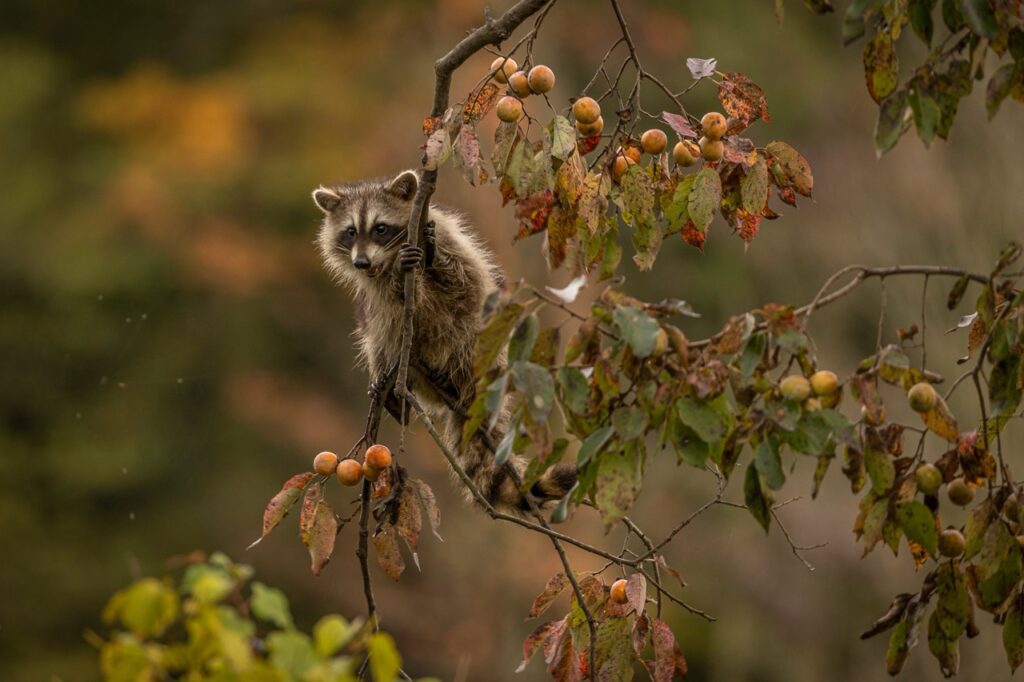
reaching adulthood. Research consistently shows that native trees support far more insect diversity and abundance than non-native trees, even when the non-natives are closely related.
This loss cascades through ecosystems, reducing insect prey for birds and other wildlife. Yards dominated by non- native plants do not support sustainable populations of insectivorous birds because of reduced insect biomass.
While some insects display limited adaptability, the majority fail to match egg-laying preferences with offspring survival on
non-native hosts.
The research speaks clearly: non-native trees often create evolutionary dead ends for native
insects, leading to declines in both insect populations and the wildlife that depend on them.
Planting native trees is critical for sustaining insect life cycles, preserving biodiversity, and maintaining healthy food webs.