This is a tree deeply interwoven with humans and wildlife. Indigenous tribes used this aromatic plant for colds, stomach issues, wounds, and bee stings, among other ailments For a brief time, sassafras wood was one of the most important exports out of colonial Massachusetts. It is the original flavor behind root beer, and its leaves are still used to thicken soups and stews today.
For wildlife, sassafras is just as important: sassafras berries feed flycatchers, turkeys, woodpeckers, phoebes, and other birds, plus foxes, bears, deer and raccoons. Deer browse the aromatic twigs, and 38 species of butterflies, including the Spicebush Swallowtail, Eastern Tiger Swallowtail, and multiple important moths, use the sassafras as a host plant.
Sassafras is one of few plants that can have three different kinds of leaves on the same plant: — regular oval leaves, mittened leaves, and ‘ghosts!’
Scientific Name: Sassafras albidum.
Hardiness Zone: Approximately 4–9.
Sun Exposure needs: Full sun to partial shade.
Soil Type preference: Moist, well‑drained, acidic to slightly acidic soils; adaptable but best on loams. Growth Rate: Medium.
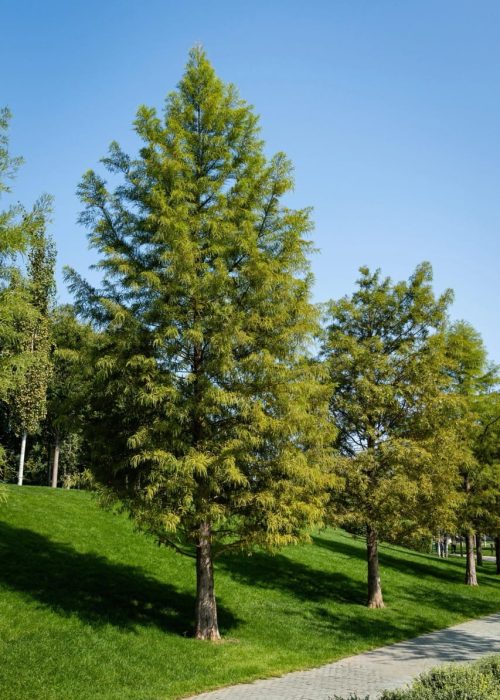
Height and Width at maturity: About 30–60 ft tall and 25–40 ft wide.
Flower Type: Small, yellow to greenish‑yellow, fragrant clusters in early spring; usually dioecious with separate male and female trees.
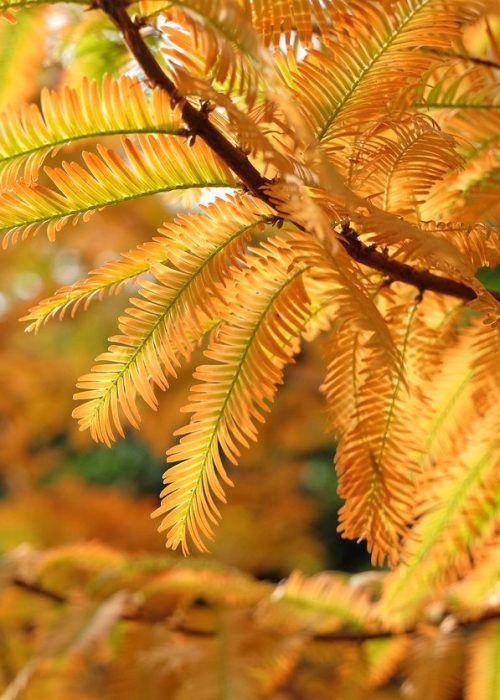
Fall Color: Showy yellow, orange, and red to purple foliage.