At Hopewell Trees Farm, our work is guided by regenerative principles that prioritize soil health, biodiversity, and long-term ecological resilience. Rather than relying on synthetic inputs or conventional monoculture systems, we focus on building living soil through composting, mulching, and natural nutrient cycling.
Each tree we grow is part of a broader ecosystem. We design planting systems that mimic natural forest structures, integrating canopy, understory, and ground layers to create self-sustaining environments. This approach not only produces healthier trees but also supports pollinators, wildlife, and microbial life essential to a thriving landscape.
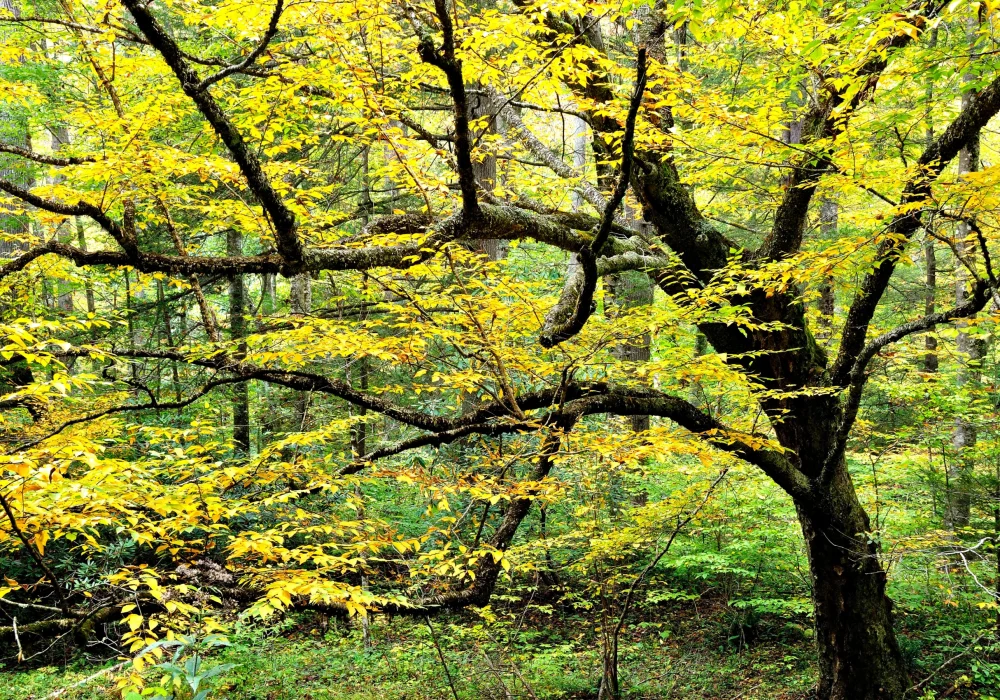
Choosing native trees is one of the most impactful decisions you can make for your land. Native species are adapted to Massachusetts climate conditions, soil types, and seasonal cycles, making them more resilient and easier to maintain over time.
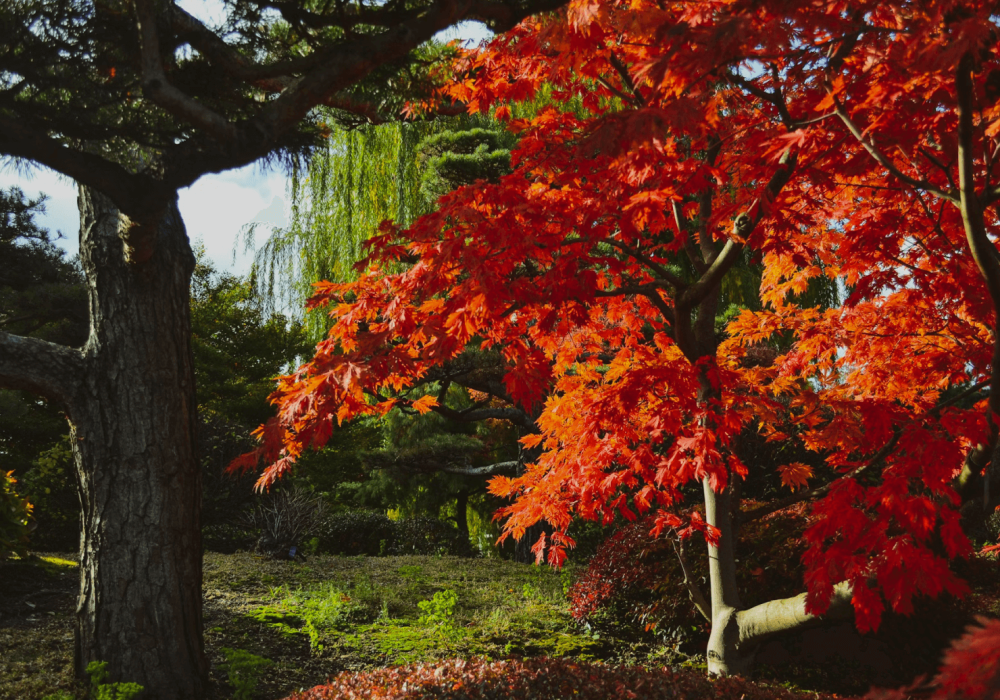
At our Littleton tree nursery, we focus on species that provide ecological value, including habitat for birds, insects, and local wildlife. From oaks and maples to fruit-bearing natives, these trees contribute to stronger ecosystems while enhancing the beauty and functionality of your landscape.
Food forests are a powerful way to combine ecological restoration with food production. By designing multi-layered systems of trees, shrubs, and ground plants, you can create a productive landscape that requires less maintenance over time.
In Massachusetts, food forests can include species like chestnuts, persimmons, paw paws, and mulberries, all of which thrive in the region when properly established. Our guides help you understand spacing, soil preparation, and long-term care so your system can mature into a resilient, food-producing ecosystem.
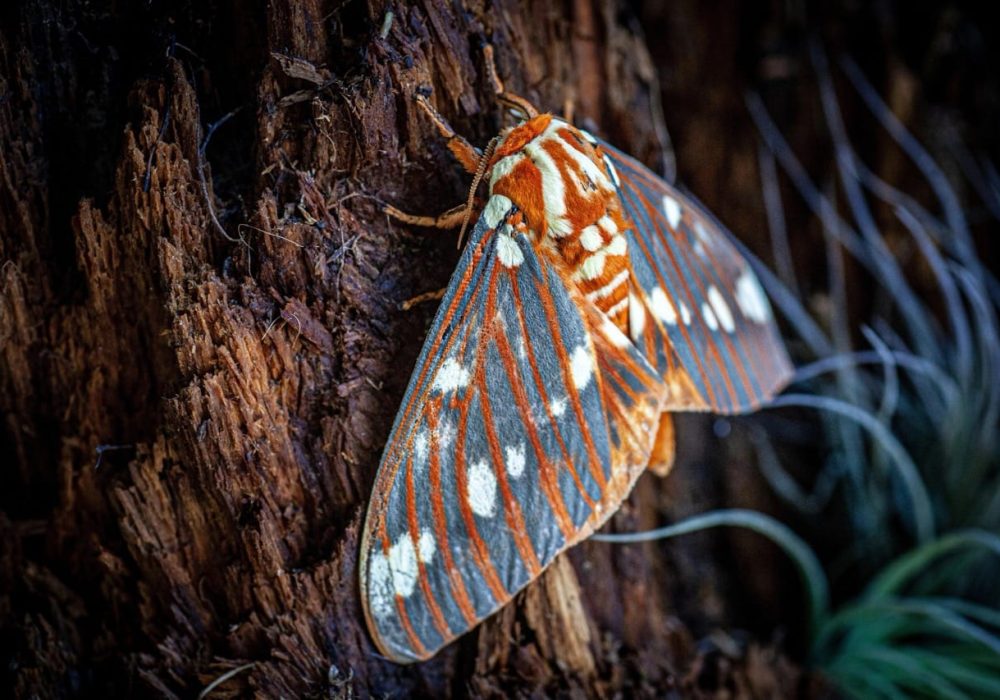
Healthy landscapes are alive with diversity. Native trees play a critical role in supporting pollinators, birds, and beneficial insects that keep ecosystems balanced.
By planting native species, you contribute to restoring habitats that have been lost due to development and conventional landscaping practices. Our work at Hopewell focuses on creating environments where wildlife can return and thrive, helping to rebuild natural connections between land, plants, and animals.
Located in Littleton, MA, Hopewell Trees Farm is deeply connected to the local landscape and community. Our mission is not only to grow trees but to provide education and resources that empower others to take part in ecological restoration.
We serve homeowners, landscapers, and organizations across Massachusetts, offering guidance and plant material that supports sustainable land use. Whether you’re starting small or planning a large-scale project, our goal is to help you create lasting impact through thoughtful planting.
Through our blog, you’ll gain access to practical, experience-based knowledge that you can apply directly to your land or projects. Topics include:
- How to select the right native trees for Massachusetts
- Step-by-step planting and care techniques
- Designing and maintaining food forests
- Improving soil health naturally
- Creating habitats that support biodiversity
Each article is designed to be both educational and actionable, helping you move from ideas to implementation with confidence.