Shagbark hickory (Carya ovata) is a powerhouse wildlife tree in southern New England’s richer upland forests, river terraces, and rocky slopes, where its sweet nuts function as high‑calorie currency in the autumn food economy. The thick‑shelled hickory nuts are relished by gray and red squirrels, flying squirrels, chipmunks, white‑footed mice, foxes, black bear, wild turkey, wood duck, and mallard, with squirrels in particular caching and dispersing seeds across the landscape. Its buds and twigs are browsed by deer, and the deep, resilient root system anchors soils on slopes and ledges that also serve as travel corridors and denning sites for a variety of mammals.
The shaggy, curling bark plates create unique vertical habitat: brown creepers and other small birds tuck nests behind the loose bark, while several bat species in the region use the warm, protected bark shelters as summer roosts, making mature trees especially valuable. As a host for numerous moth and butterfly larvae—as well as walking sticks and other insects—it converts its foliage into protein that fuels insectivorous songbirds during the breeding season and migration. Long‑lived individuals, often two to three centuries old, function as enduring habitat structures in oak–hickory and transition forests, combining mast production, specialized bark shelter, and complex canopy architecture in a single, irreplaceable tree.
Scientific Name: Carya ovata (shagbark hickory).
Hardiness Zone: 4–8.
Sun Exposure needs: Full sun to partial shade.
Soil Type preference: Deep, moist, well‑drained fertile soils; tolerant of a range from sandy to clay loams but not poorly drained or compacted sites.
Growth Rate: Slow to medium.
Height and Width at maturity: Typically 60–80 ft tall and about 30–50 ft wide in open landscapes.
Flower Type: Monoecious; male flowers in hanging green catkins and female flowers in small spikes near twig tips in spring, followed by thick‑husked nuts.
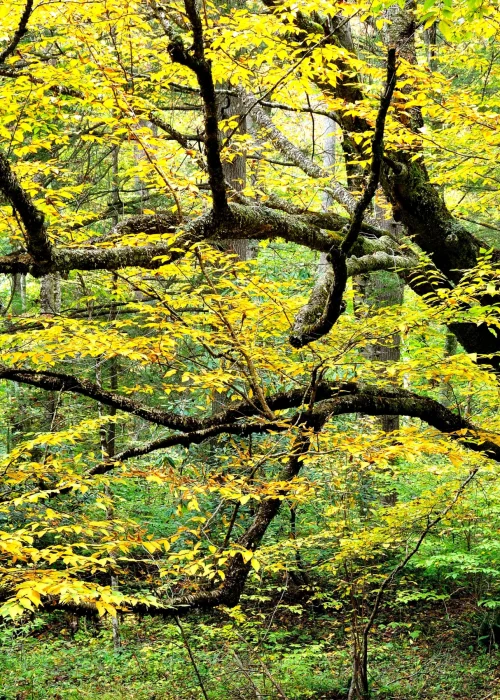
Fall Color: Attractive golden‑yellow to yellow‑brown tones