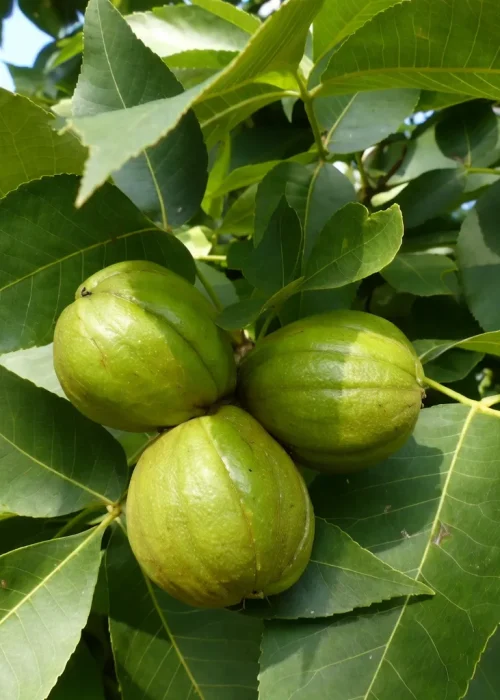


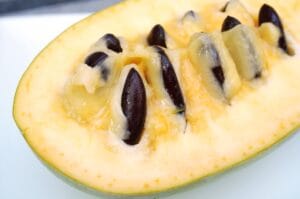
 Pawpaw (Asimina triloba) is an extraordinary dual‑purpose tree, feeding both wildlife and people with its large, custard‑textured fruits that taste of banana, mango, and melon. Raccoons, opossums, foxes, squirrels, and wild turkey readily consume fallen pawpaws, while humans prize the same rich pulp for fresh eating, baking, and ice creams, as well as for regionally distinctive value‑added products like beer, cider, and preserves. In well‑designed plantings, careful timing of harvest allows people to gather the best fruits from lower branches while leaving windfalls and higher, less accessible fruits to wildlife, turning pawpaw groves into shared foraging grounds.
Beyond fruit, pawpaw supports the zebra swallowtail butterfly as its exclusive larval host, adding caterpillar biomass that in turn feeds insectivorous birds and other predators. The deep shade and clonal understory thickets provide cool, humid cover for amphibians, small mammals, and ground‑foraging birds along streams and in rich ravines, while the fly‑ and beetle‑pollinated flowers diversify early‑season pollinator niches. For land stewards in its climatic range, planting pawpaw offers a rare combination: a locally adapted “temperate tropical” fruit for human use that simultaneously functions as soft mast, cover, and insect habitat for a wide array of wildlife.
Scientific Name: Asimina triloba (common pawpaw, American pawpaw).
Hardiness Zone: Approximately 5–8 (some sources extend from about 4–9, but 5–8 is most typical in cultivation). Sun Exposure needs: Full sun to partial shade; fruits best in full sun, but naturally an understory tree. Soil Type preference: Moist, deep, well‑drained, fertile soils; prefers slightly acidic conditions and does poorly on very dry or compacted sites.
Growth Rate: Medium.
Height and Width at maturity: Typically about 15–25 ft tall and 15–20 ft wide, occasionally to ~30 ft tall under favorable conditions.
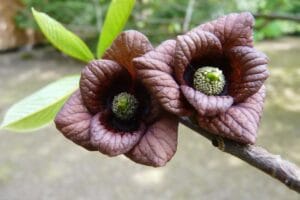
Flower Type: Nodding, 6‑petaled, maroon to purplish‑brown flowers in spring, with both male and female parts but generally self‑incompatible (needs cross‑pollination).
Fall Color: Leaves turn a clear yellow to yellow‑gold.