
In his 1831 Ornithological Biography, John James Audubon described a passenger pigeon migration thus: “The air was literally filled with Pigeons; the light of noon-day was obscured as by an eclipse; the dung fell in spots, not unlike melting flakes of snow.” These unbelievably huge flocks were so large and dense that they were known to darken the sky for days at a time.
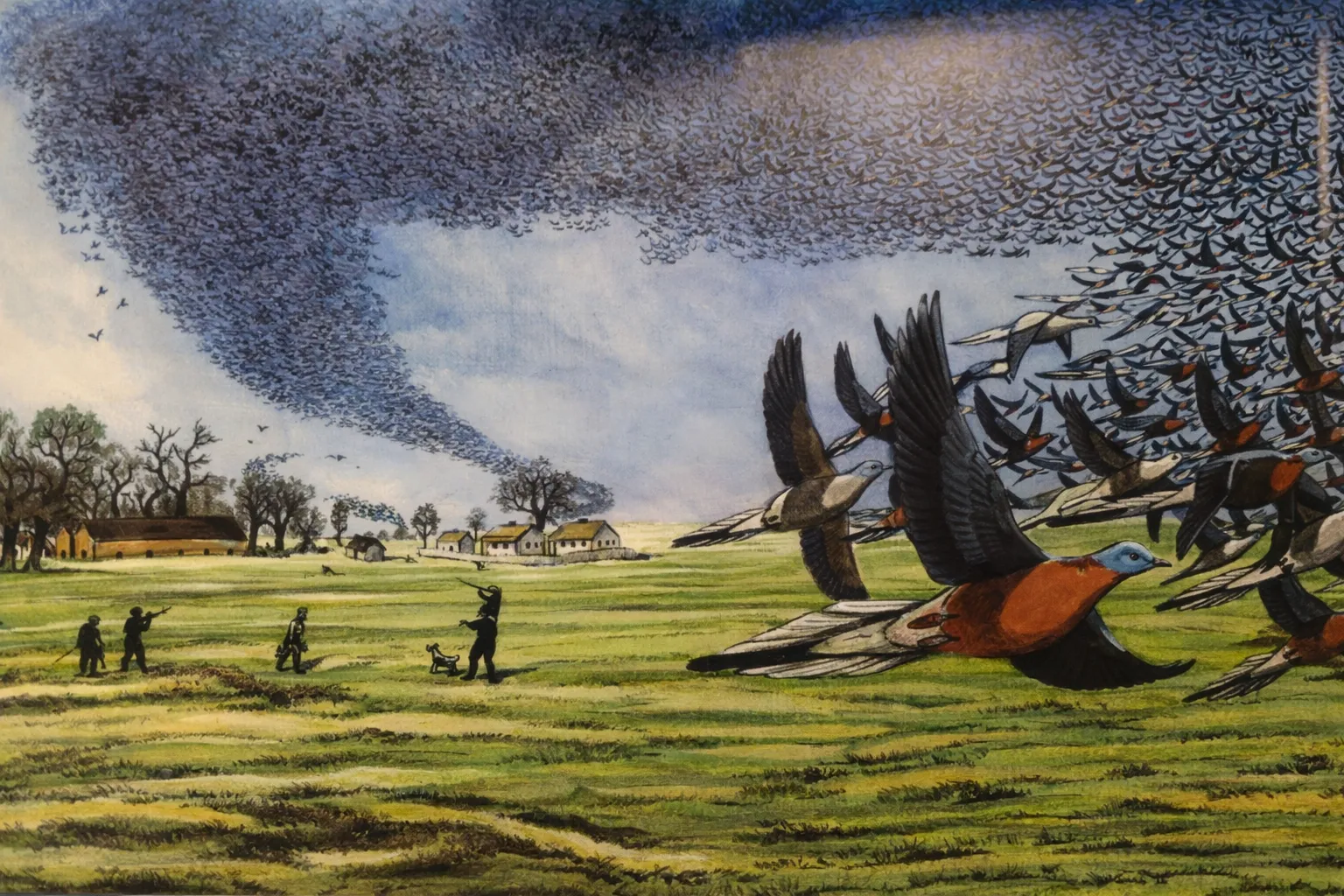
What got my attention in this passage was the bird dung falling like snow. Okay not the most pleasant thought for us now, but wow, imagine all that bird guano fertilizing the forests and fields! A bonanza of nitrogen, phosphate, and potassium. . . which is now gone with the extinction of this bird. This got me wondering, what other nutrient sources with which our trees co-evolved are missing now? American Chestnuts produced a massive, high protein, nut mast that, in turn, produced more numerous and notably larger mammals of all kinds up and down the food web; mammals that would have been pooping, dying, and decomposing into the soil. Atlantic Salmon used to run in almost every river north-east of the Hudson. How many billions of salmon carcasses had been scattered around the landscape by raptors and bears? And Salmon are just one of many New England fish species that are now extinct like the passenger pigeon or dramatically reduced. Now humans are the dominant nitrogenous biomass producers on this land, but our waste is, for good reason, held separate from the forest ecosystem.
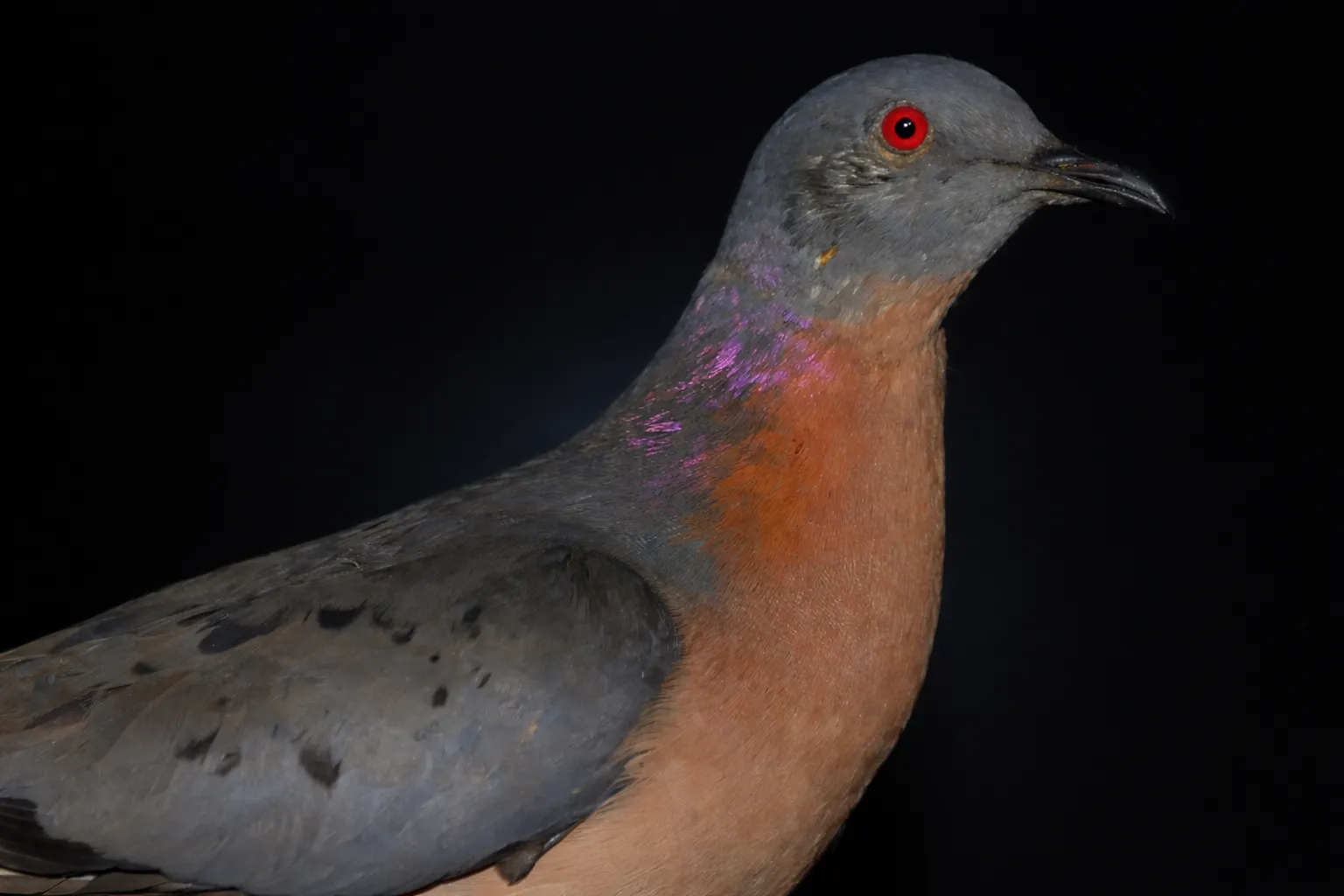
The takeaway is that there were significant nutrient inputs that are now missing from the eco-system. How are trees affected by this loss? I suspect it is a big deal for them. Wood from pre-colonial trees is stronger, harder, and way more rot resistant. Trees were larger and longer lived. This is one of many reasons our special trees get special treatment in the nutrient department, not because we are trying to make them grow super fast or extra tall, but because we are trying to get these plants off the poverty rations of this modern eco-system and replace all those lost nutrients so the trees can generate the phytochemicals necessary to grow leaves and wood that can resist the pests and diseases and wood decay organisms that presently have an unfair advantage.